


Call for Strategic Placement of Fire Extinguishers to Curb Rising Fire Outbreaks in Ghana
Published by: Aboagye Yaw Ankomah
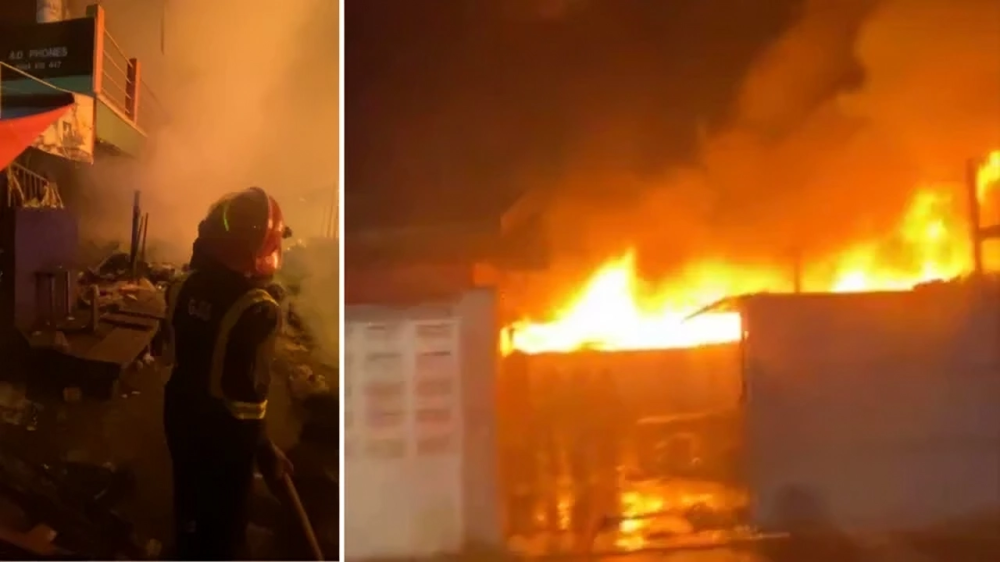
Fire outbreaks remain one of the most persistent and devastating challenges facing communities across Ghana. From bustling marketplaces to educational institutions and transport hubs, the frequency of fire incidents continues to raise concern among citizens and authorities alike. Beyond the immediate destruction of property, these incidents often result in loss of livelihoods, displacement of families, and in some tragic cases, loss of lives.
A critical issue that continues to surface in many of these outbreaks is the lack of immediate firefighting tools at the point where fires begin. In numerous cases, what starts as a minor spark quickly escalates into a full-blown disaster simply because there is no accessible equipment to contain it in its early stages. This gap highlights the urgent need for a more proactive and preventive approach to fire safety management.
One of the most practical and achievable interventions is the strategic placement of fire extinguishers at key public locations. Areas such as markets, lorry stations, fuel stations, office complexes, hostels, and school campuses are particularly vulnerable due to high human activity, electrical usage, and in some cases, poor wiring systems. In these environments, even a small delay in response can lead to irreversible damage.
Agencies like the Ghana National Fire Service and the National Disaster Management Organisation have consistently demonstrated commitment in responding to emergencies and managing disasters. However, their effectiveness is often constrained by factors such as traffic congestion, distance, and the rapid spread of fires before responders arrive on the scene. This makes it imperative to complement their efforts with localized, first-response solutions.
Installing fire extinguishers at vantage points clearly visible, easily accessible, and properly labeled, can significantly reduce the intensity of fire outbreaks. When individuals within the vicinity of a fire have the means to act immediately, the chances of containing the situation before it escalates are greatly increased. This approach shifts part of the response capacity to the community level, fostering a shared sense of responsibility for public safety.
Educational institutions, including Kwame Nkrumah University of Science and Technology and other tertiary and secondary schools, stand to benefit immensely from this initiative. Campuses are often densely populated, with a mix of residential and academic facilities that rely heavily on electricity and electronic devices. Without adequate fire safety infrastructure, these environments remain at risk. Providing fire extinguishers across lecture halls, laboratories, libraries, and hostels would not only enhance safety but also instill a culture of preparedness among students.
Similarly, major commercial centers such as Kejetia Market in Kumasi, Makola Market in Accra, and other trading hubs across the country frequently experience fire outbreaks that destroy goods worth millions of cedis. In many of these cases, traders are left helpless, watching as their investments go up in flames. Strategic placement of fire extinguishers within these markets could provide traders with the tools needed to respond swiftly and minimize losses.
However, the provision of fire extinguishers alone is not enough. Public education and training must accompany this initiative. Individuals must be equipped with the knowledge and confidence to use fire extinguishers correctly during emergencies. Regular sensitization programs, demonstrations, and drills can play a vital role in ensuring that these tools are used effectively when needed.
Maintenance is another critical aspect that must not be overlooked. Fire extinguishers must be routinely inspected, serviced, and replaced when necessary to ensure they remain functional. A non-functional extinguisher in an emergency situation can be as dangerous as having none at all. Authorities and property managers must therefore establish clear maintenance schedules and accountability systems.
This is a call to government agencies, metropolitan, municipal, and district assemblies, private sector stakeholders, and civil society organizations to prioritize fire prevention and preparedness. Investing in the strategic placement of fire extinguishers is a relatively low-cost intervention with high impact. It represents a shift from reactive disaster response to proactive risk management.
Furthermore, partnerships between public institutions and private organizations can accelerate the implementation of this initiative. Businesses, corporate entities, and philanthropists can contribute by sponsoring the installation of fire extinguishers in high-risk areas as part of their corporate social responsibility efforts.
As Ghana continues to develop and urbanize, the need for robust safety systems becomes increasingly important. Fire outbreaks should not continue to result in avoidable losses when simple, practical solutions exist. Ensuring that fire extinguishers are available at strategic points across communities is a step toward safeguarding lives, protecting property, and building a more resilient society.
The time to act is now. Fire safety must become a shared priority, and preparedness must be embedded into the fabric of everyday life. By taking decisive action today, Ghana can significantly reduce the devastating impact of fire outbreaks and secure a safer future for all.