
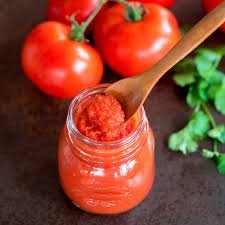


Tomato Paste Safety Under Scrutiny: Study Finds Unapproved Additives in Ghanaian Market
A recent study conducted by the Kwame Nkrumah University of Science and Technology (KNUST) has raised concerns over the safety of tomato paste sold in Ghana. The research, which analyzed samples from eight different brands, detected the presence of starch and erythrosine, two substances prohibited by the Ghana Food and Drugs Authority (FDA) in tomato paste production.
Erythrosine: A Red Flag for Health Concerns
Erythrosine, also known as Red Dye No. 3, is a colorant commonly used in various food products, including toffees, candies, and drinks. However, its use in tomato paste is strictly prohibited due to potential health risks. The FDA’s ban on erythrosine in tomato paste is a precautionary measure to protect consumers from its harmful effects.
Starch: Another Unapproved Additive
Starch, another substance found in some tomato paste samples, is also not permitted in tomato paste formulations. The presence of starch and erythrosine in these products raises concerns about the safety and quality of tomato paste sold in Ghana.
Tomato Concentrate: A Convenient but Questionable Food Item
Tomato concentrate, a popular food item in Ghanaian homes, fast food outlets, and restaurants, has become a convenient alternative to fresh tomatoes. However, the study’s findings highlight the need for stricter regulation and monitoring of tomato paste production to ensure consumer safety.
Study Methodology and Findings
The KNUST study, conducted in Kumasi and Accra, selected eight different brands of tomato paste that conformed to standard labeling requirements. The research aimed to assess the quality of tomato concentrates being sold in Ghana. The detection of starch and erythrosine in some samples is a clear indication that some manufacturers are flouting FDA regulations.
Conclusion and Call to Action
The study’s findings underscore the need for greater scrutiny of tomato paste production in Ghana. The FDA must take immediate action to enforce regulations and ensure that manufacturers comply with safety standards. Consumers also have a role to play in demanding safer and higher-quality food products. As the Ghanaian market continues to grow, it is essential that we prioritize food safety and protect the health and well-being of our citizens.