
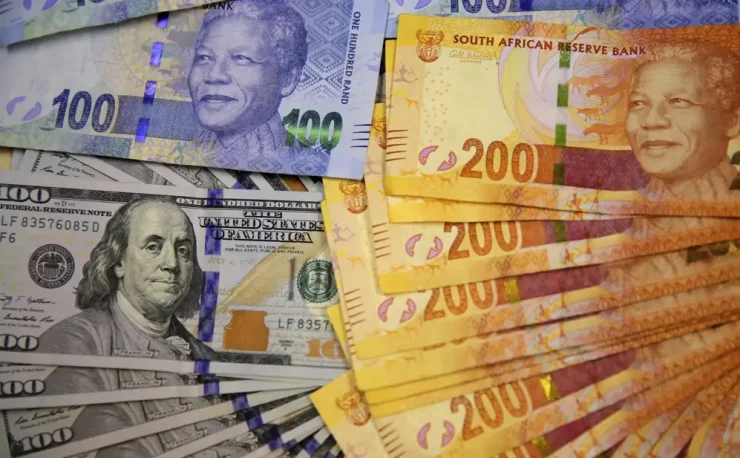


This publication will discuss the 2024 Top 10 African Countries With The Worst Exchange Rates. Exchange rates are essential in the global economy because they influence international trade, investments, and tourism.
Understanding how exchange rates function and affect different economic sectors is critical for businesses, tourists, and governments.
Exchange rates show how valuable a currency is to other currencies. The strength of a country’s exchange rate, particularly when compared to the dollar, emphasizes its impact on international commerce since it determines the rate at which one currency may be exchanged for another in the foreign exchange market.
A weak exchange rate refers to a situation where a country’s currency has depreciated relative to other major currencies. Various factors, including market forces, economic indicators, investor sentiment, and government policies can influence it.
A weak exchange rate can pose significant challenges to a country’s economy, affecting various sectors and the overall financial stability.
Exchange rates fluctuate and show how different economic and geopolitical forces interact. Understanding exchange rates and their effects is crucial for companies involved in international commerce, individuals planning overseas travel, and governments developing economic plans.
Many African currencies have poor values; below are ten of them. This list is courtesy of Trading Economics’ daily currency indicators. The indicator is updated to reflect the latest currency exchange rates for countries across the globe.
Top 10 African Countries With The Worst Exchange Rates
| COUNTRY | CURRENCY RATE | DOLAR RATE |
| Sierra Leone | 19750.00 SLL | 1USD |
| Guinea | 8622.52 GNF | 1USD |
| Madagascar | 4430.00 MGA | 1USD |
| Uganda | 3790.68 UGX | 1USD |
| Burundi | 2856.55 | 1USD |
| Congo | 2676.00 CDF | 1USD |
| Tanzania | 2524.11 TZS | 1USD |
| Malawi | 1688.11 MWK | 1USD |
| Rwanda | 1262.51 | 1USD |
| Nigeria | 899.10 Naira | 1USD |