
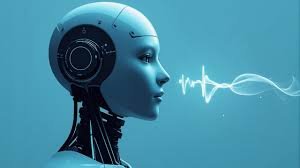


The Benefits of Integrating Artificial Intelligence into Academic Courses at KNUST.
As technology continues to redefine industries and reshape the global workforce, Artificial Intelligence (AI) has emerged as one of the most transformative tools of the 21st century. For a science and technology-driven institution like the Kwame Nkrumah University of Science and Technology (KNUST), integrating AI as part of academic courses presents significant benefits for students, the university, and national development as a whole.
One of the major advantages of incorporating AI into KNUST’s curriculum is enhanced student employability. Across sectors such as healthcare, engineering, agriculture, finance, media, and education, employers increasingly seek graduates with AI literacy and data-driven problem-solving skills. By exposing students to AI concepts, tools, and applications during their studies, KNUST equips graduates with relevant, future-ready competencies that align with evolving industry demands.
AI integration also strengthens teaching and learning processes. AI-powered tools can support personalized learning by adapting content to students’ individual learning paces and styles. Intelligent tutoring systems, data analytics, and automated feedback mechanisms help students better understand complex concepts while enabling lecturers to track progress and address learning gaps more effectively.
In research and innovation, AI serves as a powerful catalyst. Courses that introduce students to machine learning, data analysis, and computational modeling enhance research capacity across disciplines. From medical diagnostics and climate modeling to smart manufacturing and urban planning, AI enables students and faculty to conduct advanced research, generate innovative solutions, and contribute meaningfully to national and global challenges.
The inclusion of AI in academic programmes also promotes interdisciplinary collaboration. AI is not limited to computer science alone; its applications cut across the arts, social sciences, health sciences, and engineering. At KNUST, embedding AI concepts into diverse programmes encourages collaboration between departments and helps students apply technology creatively within their respective fields.
Furthermore, integrating AI into courses supports entrepreneurship and problem-solving. With foundational knowledge in AI, students can develop innovative startups, digital platforms, and smart systems tailored to local challenges. This aligns with KNUST’s strong focus on entrepreneurship, innovation, and technology-driven development, empowering students to become job creators rather than job seekers.
From an institutional perspective, AI education enhances KNUST’s global competitiveness. Universities worldwide are increasingly adopting AI-focused curricula to remain relevant in a fast-changing academic landscape. By embedding AI into its programmes, KNUST strengthens its reputation as a forward-looking institution committed to excellence, innovation, and relevance.
In conclusion, making Artificial Intelligence a core component of academic courses at KNUST is not merely a technological upgrade but a strategic investment in human capital development. It prepares students for the future of work, enhances research and innovation, supports entrepreneurship, and positions the university as a leader in technology-driven education. As AI continues to shape the world, equipping KNUST students with AI knowledge ensures they are not just consumers of technology, but active contributors to its advancement and ethical application.
By: Aboagye Yaw Ankomah