


Embracing Diversity in Learning: A Comparative Analysis of Learning Styles
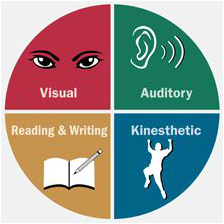
Every individual has a unique approach to learning, shaped by their experiences, abilities, and preferences. The concept of learning styles recognizes that people process information differently, and understanding these differences is crucial for creating effective and inclusive educational environments. This article explores the four primary learning styles: visual, auditory, kinesthetic, and reading/writing.
Visual Learners: Learning Through Images
Visual learners rely heavily on images, diagrams, and charts to absorb information. They use visual aids like mind maps to study and review material, and often benefit from watching videos or observing demonstrations. Visual learners make up a significant proportion of the population, and educators can cater to their needs by incorporating more visual elements into their teaching.
Auditory Learners: Learning Through Sound
Auditory learners, on the other hand, learn best through sound. They thrive in environments where they can listen to lectures, discussions, or podcasts. Auditory learners tend to have excellent listening skills and can recall information with ease. Educators can engage auditory learners by incorporating more oral presentations, discussions, and audio materials into their teaching.
Kinesthetic Learners: Learning Through Hands-On Experience
Kinesthetic learners learn best through hands-on experiences, such as experiments, role-playing, or project-based learning. They thrive in environments where they can engage their senses and participate actively in the learning process. Kinesthetic learners often struggle with traditional teaching methods, but educators can adapt their teaching to include more practical, experiential learning activities.
Reading/Writing Learners: Learning Through Text
Reading/writing learners, also known as verbal learners, learn best through interacting with text. They excel at taking notes, reading extensively, and writing summaries. Reading/writing learners tend to have strong language skills and can process information effectively through written materials. Educators can engage reading/writing learners by providing more written materials, such as handouts, articles, or online resources.
Conclusion
Understanding and embracing different learning styles is essential for creating inclusive and effective educational environments. By recognizing the diversity of learning styles, educators can adapt their teaching methods to cater to the needs of all learners. This, in turn, can lead to improved academic outcomes, increased student engagement, and a more positive learning experience.