
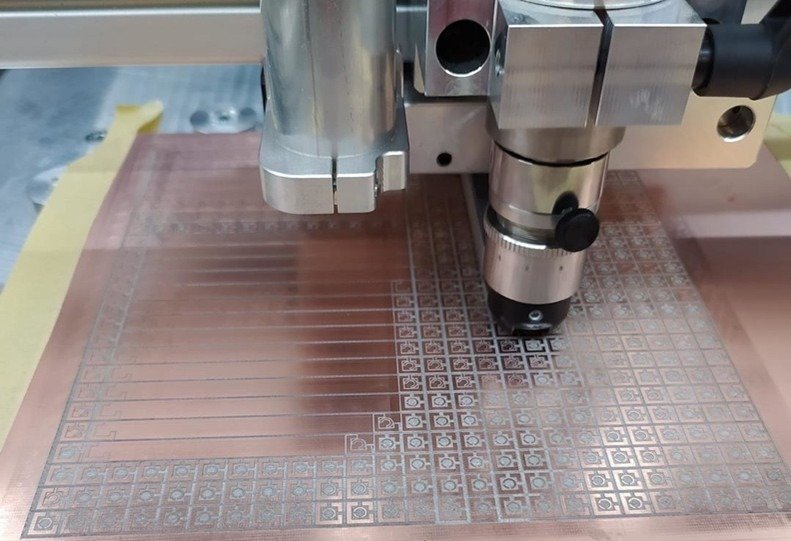


In a groundbreaking achievement, the Kwame Nkrumah University of Science and Technology’s (KNUST) DIPPER Lab has unveiled a novel antenna designed to enhance smarter farming and healthcare systems. This innovative technology has the potential to transform the way we approach agriculture and healthcare, leveraging cutting-edge research and development.
The world is facing unprecedented challenges in feeding its growing population and providing quality healthcare. Climate change, soil degradation, and water scarcity threaten food security, while healthcare systems grapple with aging populations and rising costs. To address these challenges, innovative solutions are required.
Smarter Farming: Increased Efficiency and Productivity
The novel antenna is designed to optimize farming practices, enabling farmers to make data-driven decisions. By providing real-time data on soil moisture, temperature, and crop health, farmers can:
- Optimize irrigation, reducing water waste and improving crop yields
- Apply fertilizers and pesticides more effectively, reducing environmental impact
- Monitor crop health, detecting diseases and pests early to prevent spread
This leads to increased crop yields, reduced waste, and improved resource allocation. Farmers can also reduce their environmental footprint, contributing to a more sustainable food system.
Revolutionizing Healthcare: Enhanced Patient Monitoring and Care
The antenna also has far-reaching implications for the healthcare sector. By enabling seamless communication between medical devices, healthcare professionals can:
- Remotely monitor patients’ vital signs, tracking health trends and responding promptly to emergencies
- Improve patient engagement, enabling individuals to take a more active role in their healthcare
- Enhance care coordination, ensuring that patients receive comprehensive, continuous care
This enhances patient care, reduces hospital readmissions, and improves overall health outcomes.
The Future of Technology: Interconnected and Intelligent
The DIPPER Lab’s novel antenna represents a significant milestone in the development of interconnected and intelligent technologies. As the world becomes increasingly reliant on data-driven solutions, innovations like this antenna will play a critical role in shaping the future of various industries.
Conclusion
The KNUST DIPPER Lab’s achievement serves as a testament to the power of research and innovation in driving positive change. As we look to the future, it is clear that this novel antenna will have a profound impact on smarter farming and healthcare, improving lives and transforming industries.